Chopsticks Dance
Introduction
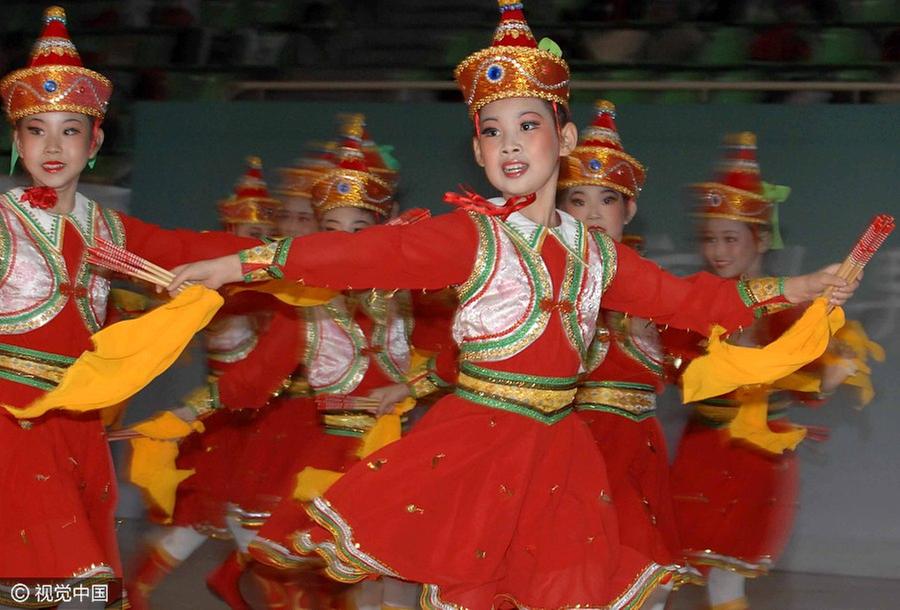
The Chopsticks Dance is a traditional Inner Mongolian dance that holds a significant place in the cultural heritage of the region. Known for its vibrant and rhythmic movements, the dance is performed using chopsticks as a central prop, which are tied together with a small rope and adorned with red silks to create a visually striking effect. This dance, originally a single men's performance, is typically showcased during marriage ceremonies or festivals and is accompanied by stringed instruments and singing. Over time, the chopsticks dance has evolved into a celebrated art form, blending traditional elements with modern stage aesthetics, making it a popular performance in both local and national cultural events.
Origins
The origins of the chopsticks dance can be traced back to the traditional customs of Inner Mongolia, where it was initially performed by men during marriage ceremonies or festive occasions. The dance served as a form of celebration and entertainment, reflecting the joyous spirit of the community. Accompanied by stringed instruments and singing, the performance was characterized by its lively and energetic movements, symbolizing the vigor and vitality of the dancers.
As time passed, the dance underwent transformations, incorporating new elements to enhance its visual appeal. The use of chopsticks as a prop became a defining feature, with performers tying them together with small ropes and decorating them with red silks. This not only added a dynamic visual element to the performance but also highlighted the creativity and resourcefulness of the Inner Mongolian people. Today, the chopsticks dance is recognized as a unique cultural expression that embodies the traditions and artistic ingenuity of the region.
Performance and Style
The chopsticks dance is renowned for its dynamic and rhythmic performance style, which combines intricate footwork, vigorous body movements, and the skillful manipulation of chopsticks. Performers hold the chopsticks in one or both hands, creating rhythmic patterns and sounds that complement the accompanying music. The red silk decorations on the chopsticks add a vibrant visual element, enhancing the overall aesthetic of the performance.
The dance is typically performed in a group, with dancers moving in synchronized patterns that reflect the unity and harmony of the community. The choreography often includes elements of storytelling, with movements that depict scenes from daily life, celebrations, or traditional customs. The combination of music, dance, and props creates a captivating spectacle that engages audiences and showcases the rich cultural heritage of Inner Mongolia.
In modern times, the chopsticks dance has been adapted for stage performances, incorporating contemporary elements while preserving its traditional essence. It has become a popular feature in cultural festivals, competitions, and international events, earning recognition for its artistic excellence and cultural significance. The dance continues to be a source of pride for the Inner Mongolian people, serving as a testament to their creativity, resilience, and love for music and dance.








